
Counselling & Psychotherapy in Hamilton
A pathway to healing, stability, and well-being.
Personalized, specialized, evidence-based treatment grounded in clinical precision and deeply personal care.
Your next step
Counselling & psychotherapy
In person in Hamilton, online or by phone
- Start withA free 20-minute consultation
- Sessions$175 / 50 min · $260 / 80 min
- Cost helpSliding scale · direct billing where available
- LanguagesEnglish, Hebrew and Russian
What Is Internal Family Systems Therapy
Internal Family Systems therapy is an evidence-based approach that helps you understand and work with the different parts of yourself to resolve emotional pain and build lasting change. At Pathway to Self in Hamilton, we use this method to help adults process trauma, manage anxiety, and reconnect with their core sense of self-worth.
If you've ever felt torn between conflicting feelings, heard a critical voice in your head, or noticed different "versions" of yourself showing up in different situations, you already know that the mind works with parts. This therapy approach is grounded in the belief that healing happens when you learn to work with these parts compassionately, rather than fighting them. Below, we'll walk you through what this process looks like and how it can help you move forward.
Step 1: Recognize Your Internal Parts and Protective Roles
The first step in internal family systems therapy is becoming aware that your mind naturally organizes itself into distinct parts, each with its own perspective, feeling, and protective role. One part might be hypervigilant and always scanning for danger because it's trying to keep you safe. Another part might shut down emotionally to protect you from getting hurt. A third might push you toward perfectionism or control.
At Pathway to Self, your therapist helps you notice these patterns without judgment. You'll learn to name these parts and understand what they're trying to do for you. This awareness alone can be transformative, because instead of feeling fragmented or broken, you start to see that your mind has been working hard to protect you. The goal isn't to eliminate these parts, but to understand them and help them work together more effectively.
Step 2: Develop Curiosity and Compassion Toward Your Parts
Once you recognize these internal voices and patterns, the next step is to approach them with genuine curiosity rather than resistance. Instead of telling yourself "I shouldn't be anxious" or "I shouldn't be angry," you ask: "What is this part trying to protect me from? What does it believe about the world? When did it start working this way?"
This shift from self-criticism to self-compassion is central to healing. Your trauma counsellor at Pathway to Self guides you through this process, helping you develop what's called "Self" -- your calm, centered, compassionate inner presence. When you access Self, you're no longer controlled by your protective parts; instead, you can listen to them, acknowledge their hard work, and gently help them relax their protective strategies. This is where real change begins.
Step 3: Help Your Protective Parts Release Their Burdens
Many of your internal parts became "stuck" carrying painful memories, beliefs, or roles they took on during difficult times. For example, a part that survived trauma may still be operating as though that threat is happening right now. Your job is to help these parts unload what they've been carrying and find new, less exhausting ways to keep you safe.
Through dialogue and guided visualization in your sessions, you work with these parts to process what they've witnessed or experienced. As they feel heard and supported by your compassionate Self, they naturally begin to soften and release their grip on you. You're not forcing change; you're creating safety and understanding so change can happen naturally. Many clients in Hamilton notice that anxiety lessens, emotional reactions feel less intense, and they have more choice in how they respond to life.
Step 4: Build New Internal Relationships and Lasting Integration
The final step is establishing healthier relationships among your internal parts so they work together in harmony. Instead of some parts dominating you or others being pushed underground, all your parts can exist peacefully and contribute their strengths to your life. A part that once drove you toward perfectionism might channel that energy into meaningful goals. A part that protected you through shutdown might learn to help you rest and recharge in healthy ways.
Your therapist at Pathway to Self helps you practice new ways of being with yourself, both in session and in daily life. Over time, this internal cooperation becomes your new normal. You'll likely notice improved emotional regulation, clearer decision-making, deeper self-compassion, and a genuine sense of being integrated rather than fragmented. This is sustainable healing -- not a quick fix, but a genuine transformation in how you relate to yourself.
If this approach resonates with you and you're ready to explore your internal world with professional support, we invite you to reach out to Pathway to Self. We're here to help you understand yourself more deeply and move toward the healing and fulfillment you deserve.
Frequently Asked Questions
Is internal family systems therapy available in Hamilton, Ontario?
Yes. Pathway to Self offers internal family systems therapy and trauma counselling to adults in Hamilton who are looking for evidence-based, compassionate support. Our approach is tailored to your individual needs and history, helping you work through trauma, anxiety, and depression.
How is internal family systems therapy different from other types of therapy?
Rather than focusing only on behavior or thoughts, internal family systems therapy helps you understand the different parts of yourself and how they interact. It's grounded in the belief that you already have the capacity for healing within you -- the role of therapy is to help you access that capacity. This approach is particularly effective for trauma and complex emotional patterns.
How long does it typically take to see results with this approach?
Results vary depending on what you're working through and your own pace of healing. Some clients notice shifts in their emotional responses within the first few weeks, while deeper trauma processing and integration may take several months. Your therapist at Pathway to Self will work with you to establish realistic expectations and track your progress together.
Meet your therapist
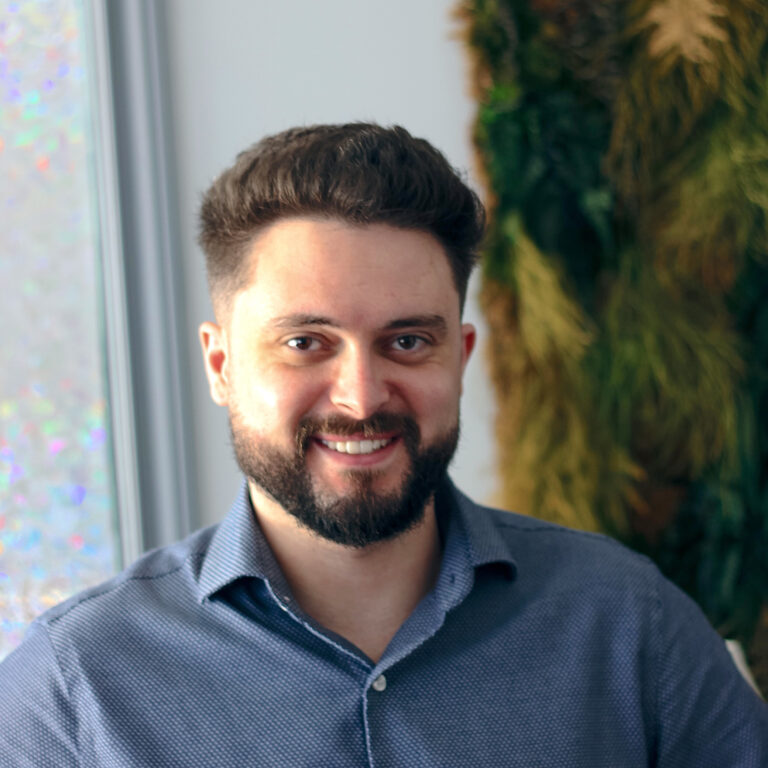
Maor Bernshtein
MSW, RSW, Psychotherapist
Before private practice, I worked in crisis services, hospitals, and addiction treatment, supporting people through some of the most painful, misunderstood, and stigmatized experiences.
Talk it through
Questions about starting therapy?
Your free 20-minute consultation, booked instantly.
Send a message
Counselling specialties
Getting started
Starting therapy is simpler than it sounds.
Free 20-minute consultation
A first conversation about what is going on for you and whether we are a good fit.
Begin at your own pace
Meet in person in Hamilton, online, or by phone. Meaningful change has to be on your terms.
Who I help
Specialized support for what you are carrying.




Fees & insurance
Cost shouldn’t make therapy inaccessible.
Many extended-health plans cover psychotherapy with a Registered Social Worker. Direct billing where available, and a sliding scale depending on availability.
- $17550-minute session
- $26080-minute session
- Free20-minute consultation


