
Counselling & Psychotherapy in Hamilton
A pathway to healing, stability, and well-being.
Personalized, specialized, evidence-based treatment grounded in clinical precision and deeply personal care.
Your next step
Counselling & psychotherapy
In person in Hamilton, online or by phone
- Start withA free 20-minute consultation
- Sessions$175 / 50 min · $260 / 80 min
- Cost helpSliding scale · direct billing where available
- LanguagesEnglish, Hebrew and Russian
Top Trauma Therapist Hamilton
Finding skilled trauma therapy in Hamilton means working with a clinician who understands the neurobiology of trauma, applies evidence-based techniques, and creates genuine safety for healing. Pathway to Self, led by registered social worker and psychotherapist Maor Bernshtein, provides exactly this approach to adults in Hamilton who are ready to process trauma, manage anxiety and depression, and rebuild their sense of self.
Hamilton residents seeking mental health support face a particular challenge: the difference between a therapist who listens and one who actively guides you through the neurological and psychological mechanisms of healing is substantial. Trauma rewires the nervous system. It fragments identity and creates patterns of avoidance, hypervigilance, and emotional numbness that feel permanent. They are not. What changes them is targeted, personalized work grounded in your specific history and capacity.
What Makes an Effective Trauma Therapist in Hamilton
A top trauma therapist in Hamilton combines three core elements: clinical training in trauma-specific modalities, the ability to regulate their own nervous system so clients feel safe, and a collaborative approach that honors client agency throughout the healing process.
Pathway to Self operates from this foundation. Maor's work draws on evidence-based approaches that address how trauma lives in the body and brain, not only in memory. The therapeutic process begins with stabilization. Before processing traumatic material, your nervous system must have the tools to remain regulated. This might involve grounding techniques, somatic awareness, or breathing work tailored to your physiology and preferences.
Once stability is established, trauma counselling and processing can begin. This is where many practitioners differ significantly. Some use talk therapy alone. Others combine talk therapy with somatic techniques, narrative work, or cognitive restructuring depending on what the evidence shows will serve you best. Pathway to Self personalizes this mix based on your history, your learning style, and what your brain and body respond to.
Healing from trauma is not about forgetting what happened. It is about changing your relationship to what happened and reclaiming your capacity to feel safe, present, and like yourself.
The registration matters too. As a registered social worker with a master's degree and psychotherapy credentials, Maor operates within professional standards, ethical guidelines, and accountability structures that protect you. Hamilton residents deserve to know their therapist has met rigorous educational and clinical requirements, not just completed a weekend workshop.
Understanding Different Therapeutic Approaches to Trauma
Not all trauma therapy looks the same, and understanding the landscape helps you recognize what will serve you best in Hamilton.
| Approach | Focus | Best For | Timeline |
|---|---|---|---|
| Talk Therapy (Cognitive Processing) | Changing thoughts and beliefs about trauma | Intrusive thoughts, self-blame, rumination | Usually 12-20 sessions |
| Somatic/Body-Based Work | Releasing trauma stored in nervous system and muscles | Hypervigilance, flashbacks, emotional numbness | Often 15-30 sessions depending on depth |
| Narrative Therapy | Reauthoring your story and identity beyond trauma | Fragmented sense of self, loss of identity | Typically 15-25 sessions |
| Integrated Approach | Combining multiple modalities based on your needs | Complex trauma, multiple symptoms, need for flexibility | Varies; responsive to what emerges |
Pathway to Self uses an integrated approach because most people do not fit neatly into one category. You may need grounding work one session, cognitive restructuring in another, and narrative processing in the next. The therapeutic relationship adapts as your needs emerge and as your nervous system becomes more regulated.
Anxiety and Depression as Trauma Responses
In Hamilton and everywhere else, anxiety and depression often arrive as secondary effects of unprocessed trauma. Your nervous system learned that danger was imminent or that safety was impossible. Now it stays in high alert or shuts down entirely. This is not a character flaw or a chemical imbalance that requires only medication. It is an adaptive response to what happened, and it can shift when the underlying trauma is addressed.
Depression frequently masks trauma. It can present as emptiness, numbness, or the sense that nothing matters. Anxiety often carries the hypervigilance of unresolved threat. When you work with a therapist who understands this connection, anxiety counselling and depression counselling become trauma-informed processes. Symptoms are not suppressed; they are understood as signals. You learn what they are telling you about your nervous system's current state, and you gradually build new patterns of response.
This requires patience and precision. It is why individual psychotherapy and mental health counselling in Hamilton should be personalized rather than protocol-driven. Your anxiety looks different from someone else's because your history is different. Your depression carries different weight and texture. An effective therapist sees this and builds sessions around your actual experience, not a standardized treatment plan.
Why Location and Accessibility Matter for Healing
Trauma therapy works best when access feels manageable. Hamilton, with its diverse neighborhoods from the waterfront to the mountain communities, deserves locally rooted mental health support. When you do not have to travel far, when your therapist understands the specific stressors of living in Hamilton, when you can build consistent momentum in your healing, the work goes deeper.
Pathway to Self is embedded in Hamilton. Maor works with residents who navigate the particular pressures of this city: economic stress, housing concerns, community disruption, and the social fabric of a region in transition. This context matters. Trauma does not occur in a vacuum, and neither does healing.
Starting therapy in Hamilton means choosing someone who will show up consistently for you, who understands your environment, and who is accountable to the professional and community standards of your region. It means working with a registered practitioner rather than seeking informal support, because trauma processing requires clinical skill and the safety of professional boundaries.
If you are experiencing trauma, anxiety, depression, or the fragmented sense of self these often create, Pathway to Self invites you to reach out. The first conversation can be an exploration: you share what brought you here, Maor shares how the work would look, and together you decide whether this is the right fit. Healing is possible. It happens through relationship, through evidence-based technique, and through your own resilience meeting a skilled guide.
Frequently Asked Questions
What is the difference between trauma counselling and regular talk therapy?
Trauma counselling is specifically designed to address how trauma is stored in the nervous system and brain, not just in conscious memory. It includes techniques that help regulate your nervous system, process fragmented memories, and change your physiological response to trauma triggers. Regular talk therapy addresses thoughts and feelings but may not target the somatic and neurological components trauma requires. A top trauma therapist in Hamilton uses specialized training to address all three.
How long does trauma therapy typically take in Hamilton?
Timeline depends on the complexity of your trauma history, how long you have been carrying it, and how your nervous system responds to the work. Some people see shifts in anxiety and grounding within 8-12 sessions. Deeper trauma processing and identity rebuilding often takes 20-30 sessions or longer. The goal is sustainable healing, not speed. Pathway to Self works at your pace and adjusts the process as you progress.
Is there a trauma therapist I can see in Hamilton who is registered and qualified?
Yes. Pathway to Self is led by Maor Bernshtein, a registered social worker with a master's degree (MSW) and formal psychotherapy credentials. Registration means he meets professional standards, follows ethical guidelines, and is accountable to regulatory bodies. This protects you and ensures the work meets evidence-based clinical standards. You can begin by contacting Pathway to Self to discuss whether their approach is right for your needs.
Meet your therapist
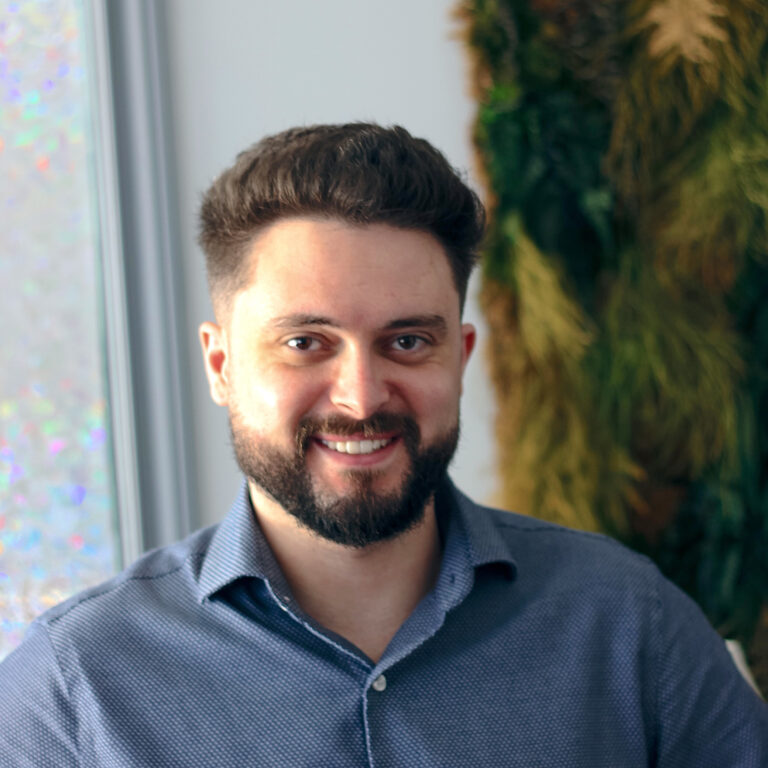
Maor Bernshtein
MSW, RSW, Psychotherapist
Before private practice, I worked in crisis services, hospitals, and addiction treatment, supporting people through some of the most painful, misunderstood, and stigmatized experiences.
Talk it through
Questions about starting therapy?
Your free 20-minute consultation, booked instantly.
Send a message
Counselling specialties
Getting started
Starting therapy is simpler than it sounds.
Free 20-minute consultation
A first conversation about what is going on for you and whether we are a good fit.
Begin at your own pace
Meet in person in Hamilton, online, or by phone. Meaningful change has to be on your terms.
Who I help
Specialized support for what you are carrying.




Fees & insurance
Cost shouldn’t make therapy inaccessible.
Many extended-health plans cover psychotherapy with a Registered Social Worker. Direct billing where available, and a sliding scale depending on availability.
- $17550-minute session
- $26080-minute session
- Free20-minute consultation


