
Counselling & Psychotherapy in Hamilton
A pathway to healing, stability, and well-being.
Personalized, specialized, evidence-based treatment grounded in clinical precision and deeply personal care.
Your next step
Counselling & psychotherapy
In person in Hamilton, online or by phone
- Start withA free 20-minute consultation
- Sessions$175 / 50 min · $260 / 80 min
- Cost helpSliding scale · direct billing where available
- LanguagesEnglish, Hebrew and Russian
Ptsd Support Therapy
PTSD support therapy helps people process traumatic experiences, reduce distressing symptoms, and rebuild a sense of safety in their own lives. If you have lived through trauma and find yourself stuck in patterns of fear, avoidance, or emotional numbness, professional support can make a real difference. Pathway to Self, a trauma-focused counselling practice in Hamilton, Ontario, specializes in helping adults work through post-traumatic stress using evidence-based therapeutic approaches tailored to your unique needs.
Healing from trauma is not a straight line, and there is no one-size-fits-all answer. The right approach depends on your symptoms, your history, and what feels safe and right for you. This guide walks you through the main options for trauma therapy, what to expect, and how to know which path might work best.
Understanding PTSD Support Therapy and How It Works
PTSD support therapy is a structured, compassionate process designed to help your brain and body process memories that feel stuck or unresolved. Traumatic experiences can leave your nervous system in a state of high alert, causing symptoms like intrusive thoughts, nightmares, hypervigilance, or emotional overwhelm. Through evidence-based therapeutic work, you learn to integrate these memories safely, reduce their emotional charge, and restore your sense of control.
At Pathway to Self in Hamilton, this work begins with stability. Before diving into trauma processing, your therapist helps you build a solid foundation of coping skills and emotional regulation tools. This matters because when you feel grounded and resourced, your nervous system can handle the deeper work ahead. Once you are ready, your therapist guides you through the trauma material itself, processing it in a way that allows your brain to update old threat beliefs and move forward.
Key Approaches to Trauma Therapy: What You Should Know
Different therapeutic modalities work well for different people. Here are the main approaches used in trauma work:
| Approach | What It Is | Best For | Pace |
|---|---|---|---|
| Trauma-Focused Cognitive Behavioral Therapy (TF-CBT) | Combines talk therapy with cognitive techniques and gradual exposure to trauma memories and reminders | Clear trauma history; benefit from structured, skill-building work | Moderate to faster; typically 12-20 sessions |
| Eye Movement Desensitization and Reprocessing (EMDR) | Uses guided eye movements or bilateral stimulation while recalling trauma to help the brain process the memory | Single-incident trauma; preference for less talking about details | Can be faster; varies by person |
| Somatic and Sensorimotor Approaches | Focuses on how trauma lives in the body, using movement, breath, and somatic awareness to process stuck activation | Clients who feel disconnected from their body; those for whom talk alone is not enough | Variable; as long as needed |
| Narrative and Psychodynamic Therapy | Explores how trauma has shaped your sense of self and relationships; integrates trauma into your life story | Complex trauma; identity and relational impacts; deeper self-understanding | Longer term; ongoing support |
Pathway to Self draws on these evidence-based approaches and personalizes them to match your needs, preferences, and pace. There is no pressure to move faster than feels right for you.
What PTSD Support Therapy Looks Like in Practice
When you come to Pathway to Self for counselling in Hamilton, your first sessions focus on building trust and understanding your story. Your therapist listens without judgment and learns what brought you in, what symptoms trouble you most, and what your hopes are for therapy.
The middle phase of work involves the actual processing. This might look like talking through the traumatic memory in a supported way, noticing where tension lives in your body, or using specific techniques to help your nervous system shift out of threat mode. Sessions are paced by you, not by a rigid timeline. Some people need to move slowly and deliberately through the material; others feel ready to engage more directly.
Throughout the process, you build skills. Grounding exercises, emotional regulation tools, and ways to respond to trauma reminders become part of your toolkit. These are not just talk; they are practical strategies you use between sessions and carry forward after therapy ends.
Healing from trauma is possible because your brain has the capacity to process and integrate difficult experiences. With the right support and at your own pace, you can move from being stuck in survival mode to reclaiming your life.
Choosing the Right Therapist for Your Healing
Finding a trauma therapist who fits is crucial. You want someone who is trained in trauma-specific work, who creates a space where you feel genuinely safe, and who respects your pace and choices.
When you are considering therapy, ask yourself these questions:
- Does this therapist have training and experience in trauma work?
- Do I feel heard and respected in our conversation?
- Are they transparent about their approach and how sessions work?
- Do they explain things in a way that makes sense to me?
- Do they emphasize your agency and choice in the process?
Maor Bernshtein, the therapist at Pathway to Self, is a registered social worker with a Master of Social Work degree and specialized training in trauma therapy. Clients in Hamilton who work with Pathway to Self often describe feeling genuinely understood and supported without pressure to move faster than feels right. The practice emphasizes personalized mental health counselling that honors your unique experience and your pace.
Taking the First Step Toward Healing
Reaching out for help is an act of courage and wisdom. You do not have to carry trauma alone, and you do not have to figure out which approach is right on your own. That conversation can happen during your first session with a trauma therapist who listens well and asks good questions.
If you are in Hamilton and feeling stuck with the weight of past trauma, Pathway to Self is here to support you. The team understands that healing takes time, that your experience matters, and that you have the capacity to move forward. Reach out to learn more about how therapy can help you process trauma, reduce distressing symptoms, and rebuild a sense of safety and meaning in your life.
Frequently Asked Questions
What is the difference between PTSD and trauma, and do I need therapy for both?
Trauma is the experience itself; PTSD is a specific set of symptoms that can develop after trauma. Not everyone who experiences trauma develops PTSD, and not all emotional struggles after a difficult event meet the PTSD diagnosis. Regardless of diagnosis, if trauma is affecting your daily life, relationships, or wellbeing, therapy can help. Pathway to Self works with clients on the full spectrum of trauma-related struggles, not just diagnosed PTSD.
How long does PTSD support therapy typically take in Hamilton?
There is no set timeline. Some people benefit from 12 to 20 focused sessions, while others work in therapy for longer as they heal deeper layers or address how trauma has shaped their relationships and sense of self. Your therapist at Pathway to Self will help you set realistic expectations based on your specific situation and goals.
Is trauma therapy in Hamilton covered by insurance?
Coverage depends on your specific insurance plan and the therapist's credentials. Many private insurance plans cover registered social workers and psychotherapists, but it is worth checking your plan details. Pathway to Self can discuss coverage questions during an initial conversation, and the team can work with you to understand your options.
What if I am not ready to talk about my trauma in detail?
You do not have to dive into trauma details right away. Therapy at Pathway to Self begins with building safety and stability, and processing happens only when you feel ready. Some therapeutic approaches, like EMDR, require less detailed talking about the trauma itself. Your therapist will work at your pace and offer options that fit your comfort level.
Meet your therapist
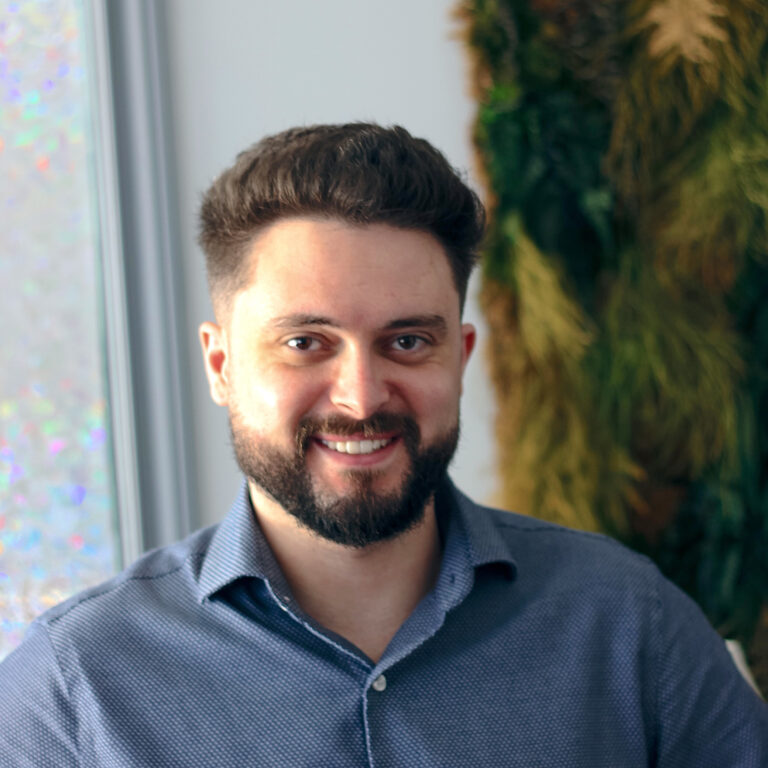
Maor Bernshtein
MSW, RSW, Psychotherapist
Before private practice, I worked in crisis services, hospitals, and addiction treatment, supporting people through some of the most painful, misunderstood, and stigmatized experiences.
Talk it through
Questions about starting therapy?
Your free 20-minute consultation, booked instantly.
Send a message
Counselling specialties
Getting started
Starting therapy is simpler than it sounds.
Free 20-minute consultation
A first conversation about what is going on for you and whether we are a good fit.
Begin at your own pace
Meet in person in Hamilton, online, or by phone. Meaningful change has to be on your terms.
Who I help
Specialized support for what you are carrying.




Fees & insurance
Cost shouldn’t make therapy inaccessible.
Many extended-health plans cover psychotherapy with a Registered Social Worker. Direct billing where available, and a sliding scale depending on availability.
- $17550-minute session
- $26080-minute session
- Free20-minute consultation


