
Counselling & Psychotherapy in Hamilton
A pathway to healing, stability, and well-being.
Personalized, specialized, evidence-based treatment grounded in clinical precision and deeply personal care.
Your next step
Counselling & psychotherapy
In person in Hamilton, online or by phone
- Start withA free 20-minute consultation
- Sessions$175 / 50 min · $260 / 80 min
- Cost helpSliding scale · direct billing where available
- LanguagesEnglish, Hebrew and Russian
Hamilton Therapy Office
A Hamilton therapy office that specializes in trauma processing helps adults move beyond the wounds that keep them stuck, isolated, and disconnected from themselves. At Pathway to Self, we work with clients throughout Hamilton who are carrying the weight of past trauma, anxiety, depression, or emotional overwhelm to build genuine stability and reclaim their sense of self-worth.
The clients we see often describe feeling trapped. They have tried to move forward on their own, but the nervous system keeps pulling them back into old patterns of fear, avoidance, or numbness. They know something needs to change, but they do not know where to start or whether healing is really possible. This is where personalized trauma-focused counselling makes the difference.
How Trauma-Focused Counselling Works at Our Hamilton Practice
Healing from trauma is not about forcing yourself to "get over it" or pretending the past does not matter. True recovery requires a structured, compassionate approach that helps your nervous system feel safe enough to process what happened, so you can integrate that experience and move forward with your life intact.
At our Hamilton therapy office, we use evidence-based methods grounded in the understanding that every person has the capacity for meaningful change. When you come in, the first work is building stability. Many people living with unprocessed trauma are in a state of hypervigilance or emotional shutdown. Before we touch the trauma itself, we establish safety and teach you practical tools to regulate your nervous system. This might include:
- Grounding techniques you can use when anxiety or flashbacks arise
- Breathing and somatic practices that help your body recognize safety
- Identifying your personal triggers and early warning signs
- Creating a realistic structure for your week that supports healing
Once that foundation is solid, we move into processing the trauma itself. This is where trauma counselling in Hamilton addresses the specific memories, beliefs, and emotions tied to what happened. We do not rush this phase. The pace is entirely yours. Using trauma-informed approaches, we help your mind and body work through the experience in a way that feels manageable and gradual.
Many of our clients report that they start to feel like themselves again during this phase. They notice they are not triggered by the same things, or the intensity of the reaction has dropped significantly. Sleep improves. Relationships become less reactive. The sense of dread or shame that once felt permanent begins to soften.
The final phase is reconnection. Once trauma has been processed, we work on rebuilding confidence, purpose, and a stable sense of identity. This is when therapy extends beyond just managing symptoms to restoring the quality of life you deserve.
A Real Example: Building Life After Trauma in Hamilton
Consider a client we worked with, a professional in his mid-forties living in Hamilton who had experienced a significant workplace trauma several years earlier. He had managed to keep his job and maintain his relationships, but internally he was running on empty. He described feeling like he was watching his own life from a distance. He could not concentrate. He was irritable with his family without understanding why. Anxiety kept him awake at night.
When he came to our Hamilton therapy office, he was skeptical that talking about what happened would actually help. He had spent years trying not to think about it.
Over the first four weeks, we focused on stabilization. He learned specific breathing techniques for anxiety and began identifying the moments when his nervous system was in fight-or-flight. This alone gave him a sense of agency. He was no longer just a victim of his anxiety; he was beginning to understand it.
In the following months, we processed the trauma itself. He talked through the event, what it meant to him, the beliefs it created (about danger, about his own capability, about whether he could trust his workplace). As he did this, something shifted. The memory did not disappear, but it lost its emotional charge. He was no longer flooded by panic when something triggered the memory.
By the end of structured trauma work, roughly six to eight months in, he had returned to baseline. He was sleeping through the night. His concentration at work had returned. Most importantly, he felt present in his own life again. His family noticed the difference. He noticed it too.
We continued meeting monthly to reinforce his tools and work on rebuilding confidence in areas where the trauma had created doubt. Within a year, he felt genuinely recovered, not just coping.
This is not a story of magical healing. It is a story of what happens when someone gets proper support, uses evidence-based methods, and stays committed to the process. Everyone's journey is different, but the structure remains the same: stabilize, process, reconnect.
The clients we serve in Hamilton and the surrounding area often come in thinking they should have healed faster or that something is wrong with them for still struggling. There is nothing wrong with you. Trauma changes the brain and nervous system in measurable ways. Healing is possible, but it requires the right approach and the right guide.
Maor Bernshtein, a registered social worker and psychotherapist, brings over a decade of training and practice in trauma-focused work. He holds a master's degree in social work and specializes in evidence-based approaches that have been tested and validated through research. More importantly, he understands that behind every statistic is a real person who wants their life back.
If you are living in Hamilton and carrying trauma, anxiety, or depression that has kept you from feeling fully present in your own life, reach out. The first step is simply connecting to explore whether this kind of therapy might help. There is no obligation, and your experience matters.
Frequently Asked Questions
How long does trauma therapy typically take in Hamilton?
Trauma processing timelines vary depending on the complexity of your experience and how you respond to treatment, but most clients see meaningful changes within 3 to 6 months of consistent weekly or bi-weekly sessions. Stabilization often happens first, followed by trauma processing, and then integration and rebuilding. Some people continue meeting monthly after structured work ends to reinforce tools and address new challenges.
What makes trauma counselling different from regular talk therapy?
Trauma-focused counselling uses specific, evidence-based techniques designed to help your nervous system process and integrate traumatic memories, rather than simply talking about them. Regular counselling may focus on coping or insight, while trauma work directly addresses how trauma is stored in your body and brain, so you can move beyond it rather than manage it indefinitely.
Is there a trauma therapist near me in Hamilton who works with anxiety and depression too?
Yes. At Pathway to Self, we work with clients throughout Hamilton who are dealing with trauma, anxiety, and depression often simultaneously. These conditions frequently occur together, and our approach addresses the underlying trauma while also supporting you with anxiety and depression symptoms as they arise during treatment.
How do I know if I need trauma counselling or just regular therapy?
If you have experienced a significant event-accident, loss, assault, workplace incident, or prolonged stress-and you are noticing symptoms like intrusive memories, hypervigilance, emotional numbness, or panic, trauma-focused work is likely appropriate. A consultation can clarify whether your symptoms point to unprocessed trauma or if another approach would serve you better.
Meet your therapist
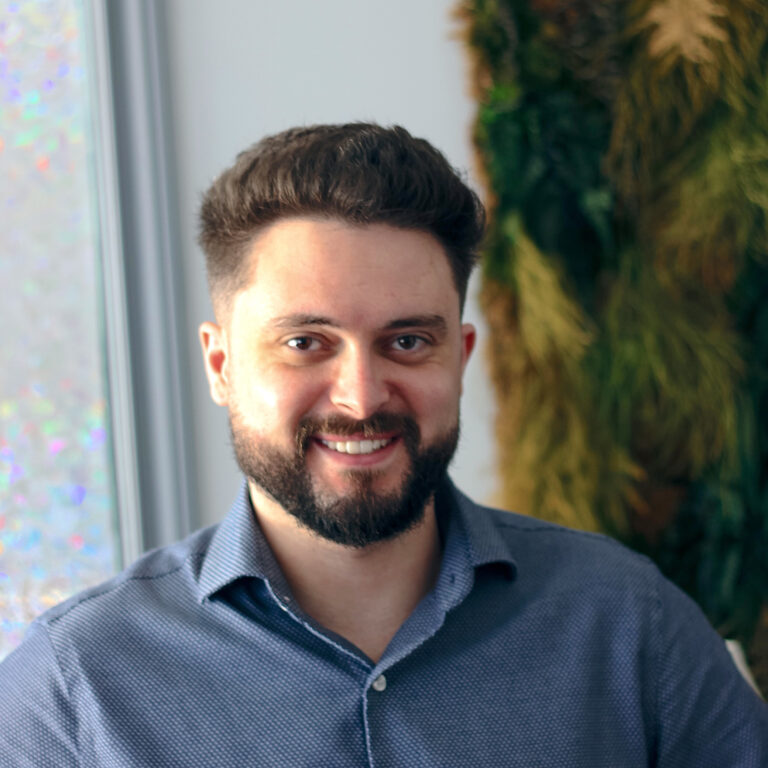
Maor Bernshtein
MSW, RSW, Psychotherapist
Before private practice, I worked in crisis services, hospitals, and addiction treatment, supporting people through some of the most painful, misunderstood, and stigmatized experiences.
Talk it through
Questions about starting therapy?
Your free 20-minute consultation, booked instantly.
Send a message
Counselling specialties
Getting started
Starting therapy is simpler than it sounds.
Free 20-minute consultation
A first conversation about what is going on for you and whether we are a good fit.
Begin at your own pace
Meet in person in Hamilton, online, or by phone. Meaningful change has to be on your terms.
Who I help
Specialized support for what you are carrying.




Fees & insurance
Cost shouldn’t make therapy inaccessible.
Many extended-health plans cover psychotherapy with a Registered Social Worker. Direct billing where available, and a sliding scale depending on availability.
- $17550-minute session
- $26080-minute session
- Free20-minute consultation


