
Counselling & Psychotherapy in Hamilton
A pathway to healing, stability, and well-being.
Personalized, specialized, evidence-based treatment grounded in clinical precision and deeply personal care.
Your next step
Counselling & psychotherapy
In person in Hamilton, online or by phone
- Start withA free 20-minute consultation
- Sessions$175 / 50 min · $260 / 80 min
- Cost helpSliding scale · direct billing where available
- LanguagesEnglish, Hebrew and Russian
Hamilton Therapy For Mental Wellness
Therapy for mental wellness in Hamilton addresses the real struggles that keep people stuck: unprocessed trauma, persistent anxiety, depressive patterns, and the sense of disconnection that comes from emotional overwhelm. Pathway to Self offers trauma-focused counselling and psychotherapy designed to help adults in Hamilton build stability, process difficult experiences, and reclaim their sense of self-worth through personalized, evidence-based treatment.
Hamilton is a city with deep roots in industry and community, home to people balancing demanding work, family responsibilities, and the weight of past experiences. Many residents face barriers to healing: limited access to specialized therapists, the stigma surrounding mental health, and the simple difficulty of finding someone who understands trauma-informed care. Pathway to Self operates within Hamilton itself, offering local accessibility and genuine expertise in the specific therapeutic needs that emerge in this community.
How Therapy for Mental Wellness in Hamilton Differs by Approach
Not all counselling in Hamilton works the same way, and not all therapists use the same foundation. The differences matter because your healing depends on the right fit between your needs and the therapeutic methodology employed. Pathway to Self specializes in trauma-focused approaches, which means the work begins by understanding how past experiences shape your present thoughts, emotions, and behaviors.
Trauma-focused therapy is methodical. It does not rush into processing difficult memories. Instead, it builds a foundation of stability first through techniques that help regulate your nervous system, establish safety, and develop coping skills. Only when that foundation is solid does the actual trauma processing begin. This sequencing is critical because premature exposure to trauma material without adequate resources can retraumatize rather than heal.
Consider how different therapeutic orientations address the same presenting problem:
| Approach | Focus | Timeline | Best For |
|---|---|---|---|
| Trauma-Focused Therapy | Processing past experiences; building nervous system regulation; reclaiming sense of self | Typically 4-6 months minimum; depends on complexity | Adults with significant trauma history, PTSD symptoms, or unprocessed grief |
| Cognitive-Behavioral Approaches | Identifying thought patterns; changing behaviors; problem-solving | Shorter term; often 8-16 weeks | Anxiety, depression, specific behavioral patterns |
| Supportive Counselling | Listening, validation, coping strategies for current stress | Flexible; ongoing or short-term | Life transitions, situational stress, ongoing mental health maintenance |
Pathway to Self integrates evidence-based methods within a trauma-informed framework. This means that whether you are working through anxiety counselling, depression treatment, or deeper trauma processing, the therapist understands how your nervous system responds to threat, how past experiences inform present reactions, and how to build safety before moving into more intensive work.
What Makes Specialized trauma counselling Essential in Hamilton
Many people seek therapy for anxiety or depression, only to discover that the real root is unprocessed trauma. A therapist trained in trauma counselling recognizes these connections because they understand the mechanisms: how the nervous system becomes dysregulated, how the body stores traumatic memory, and how talk alone is insufficient without somatic (body-based) awareness.
Trauma-informed care also means understanding the impact of intergenerational patterns, systemic barriers, and the particular stressors that shape life in a city like Hamilton. The practice operates from the conviction that all individuals have the capacity for meaningful change, even when years of coping mechanisms have made that hard to believe.
What you can expect from trauma-focused work at Pathway to Self includes:
- A thorough initial assessment that maps your trauma history, current symptoms, strengths, and resources without rushing into processing
- Grounding and stabilization techniques taught explicitly so you have tools between sessions
- Work at a pace that honors your readiness, not an arbitrary timeline
- Integration of body awareness alongside cognitive and emotional processing
- Clear communication about what each phase of therapy involves so you maintain agency throughout
Anxiety counselling often looks different within this framework too. Rather than simply teaching relaxation techniques, the work examines what your anxiety is protecting you from, what threat your nervous system perceives, and how to gradually expand your window of tolerance so you can live more fully. Depression counselling addresses both the neurobiological dimensions and the meaning-making piece: reconnecting with values, rebuilding a sense of purpose, and processing the losses that depression often masks.
Finding the Right Therapy in Hamilton for Your Specific Needs
The question most people arriving at therapy ask themselves is simple: Will this actually help? The answer depends partly on fit, partly on the expertise of the therapist, and partly on your own readiness to engage in the work. Pathway to Self operates from a strengths-based perspective, meaning the therapeutic relationship begins by acknowledging what you have already survived and the resilience you already possess.
Individual psychotherapy and mental health counselling at Pathway to Self is personalized because no two trauma histories are identical, no two nervous systems respond exactly alike, and no two people need the same pace or approach. The registered social worker and psychotherapist leading the practice brings clinical training in trauma processing, which means understanding both the theory and the lived reality of what recovery looks like.
If you are in Hamilton and recognizing yourself in descriptions of feeling stuck, isolated, or emotionally overwhelmed, reaching out is the first step. The work of healing is not something you do alone, and it is not something you should attempt without proper clinical support. Pathway to Self invites you to contact the practice to discuss what you are experiencing, what your goals are, and whether this approach resonates with you. There is no obligation in that initial conversation, only the opportunity to determine if this is the right fit for your journey toward reclaiming your wellbeing.
Frequently Asked Questions
What is the difference between trauma counselling and regular therapy?
Trauma-focused counselling addresses how past experiences have shaped your nervous system, emotions, and sense of self, using specific methodologies designed to process trauma safely. Regular therapy may address current stress or life problems without specializing in trauma processing. Trauma counselling requires trained expertise because the work involves understanding how the body stores trauma and how to build safety before processing difficult memories.
How long does trauma therapy in Hamilton typically take?
Trauma therapy is not a fixed duration; it depends on the complexity of your trauma history, your nervous system's responsiveness, and your goals. Generally, meaningful trauma processing takes a minimum of 4-6 months of regular sessions, though some clients benefit from longer-term work. The therapist will discuss realistic timelines with you during assessment and adjust as needed.
Is there a trauma therapist available in Hamilton?
Yes. Pathway to Self is a trauma-focused counselling practice in Hamilton led by a registered social worker and psychotherapist with specialized training in trauma processing and evidence-based therapeutic approaches. The practice serves adults experiencing the effects of trauma, anxiety, depression, and emotional overwhelm.
Can therapy help with both anxiety and depression at the same time?
Yes. Anxiety and depression often coexist and frequently share roots in trauma or dysregulation of the nervous system. Working with an experienced therapist means addressing the underlying drivers rather than treating symptoms in isolation. Pathway to Self works with both conditions together, understanding how they interconnect in your specific situation.
How do I know if I need trauma counselling or another type of therapy?
If you have experienced significant loss, abuse, accidents, violence, or chronic stress, or if you notice your anxiety or depression does not respond well to conventional approaches, trauma-focused assessment is valuable. A trauma-informed therapist can evaluate your history and determine the best approach. Contact Pathway to Self to discuss your specific needs in a confidential conversation.
Meet your therapist
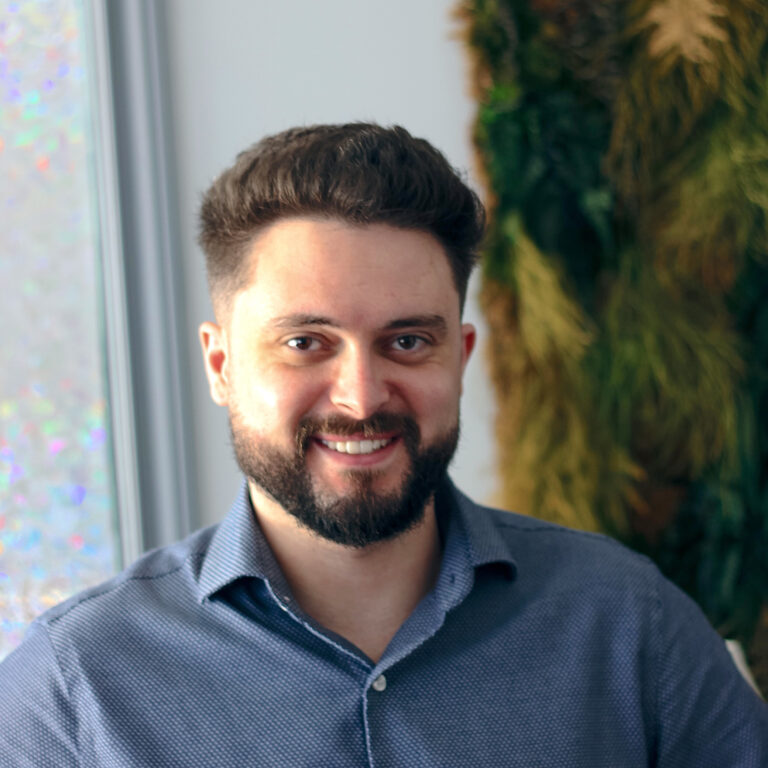
Maor Bernshtein
MSW, RSW, Psychotherapist
Before private practice, I worked in crisis services, hospitals, and addiction treatment, supporting people through some of the most painful, misunderstood, and stigmatized experiences.
Talk it through
Questions about starting therapy?
Your free 20-minute consultation, booked instantly.
Send a message
Counselling specialties
Getting started
Starting therapy is simpler than it sounds.
Free 20-minute consultation
A first conversation about what is going on for you and whether we are a good fit.
Begin at your own pace
Meet in person in Hamilton, online, or by phone. Meaningful change has to be on your terms.
Who I help
Specialized support for what you are carrying.




Fees & insurance
Cost shouldn’t make therapy inaccessible.
Many extended-health plans cover psychotherapy with a Registered Social Worker. Direct billing where available, and a sliding scale depending on availability.
- $17550-minute session
- $26080-minute session
- Free20-minute consultation


