
Counselling & Psychotherapy in Hamilton
A pathway to healing, stability, and well-being.
Personalized, specialized, evidence-based treatment grounded in clinical precision and deeply personal care.
Your next step
Counselling & psychotherapy
In person in Hamilton, online or by phone
- Start withA free 20-minute consultation
- Sessions$175 / 50 min · $260 / 80 min
- Cost helpSliding scale · direct billing where available
- LanguagesEnglish, Hebrew and Russian
Hamilton Therapy For Childhood Trauma
Therapy for childhood trauma in Hamilton helps adults process difficult early experiences and reclaim emotional stability. If you grew up in circumstances that left you feeling unsafe, unseen, or emotionally wounded, working with a trained therapist can help you understand how those experiences shaped you and build a foundation for genuine healing. Pathway to Self specializes in this work, offering trauma-focused counselling designed specifically for adults in Hamilton who are ready to move forward.
Many people delay seeking help because they believe their childhood "wasn't that bad" compared to others, or they have normalized the pain they lived through. Healing is not about comparison. What matters is how those early experiences affect you now-your relationships, your sense of self-worth, and your daily well-being. This guide walks you through the process of beginning therapy for childhood trauma, so you understand what to expect and how to take the first step toward recovery.
Step 1: Recognize How Your Past Is Showing Up in Your Present
The first step toward healing is noticing the connection between what happened in your childhood and how you feel or behave today. Childhood trauma does not always announce itself as a single dramatic memory. Instead, it often appears as patterns: difficulty trusting others, anxiety in relationships, perfectionism that never feels like enough, or an unexplained sense of shame. You might notice you overreact to small conflicts, freeze when criticized, or struggle to set boundaries. You may feel disconnected from your body or emotions, or find yourself drawn to relationships that mirror unhealthy dynamics from your past. These are not character flaws. They are your nervous system's intelligent attempt to protect you based on what it learned early on.
Take time to reflect on the areas of your life where you feel stuck or struggle most. Are there situations that trigger intense reactions you don't fully understand? Do you notice patterns repeating across relationships or work situations? Write down what you observe without judgment. This awareness is the foundation of all meaningful change. When you can name what is happening, you create the possibility of doing something different.
Step 2: Find a Trauma-Informed Therapist in Hamilton
Not all counsellors approach childhood trauma the same way. Seek out a therapist who specializes in trauma work and uses evidence-based methods-approaches tested through research and proven to create lasting change. Pathway to Self offers trauma counselling grounded in this evidence-based framework, led by a registered social worker with training in how trauma affects the mind and body. When you search for a therapist in Hamilton, look for credentials (MSW, registered psychotherapist, or similar), experience specifically with trauma, and a therapeutic approach that feels aligned with how you prefer to work.
During an initial consultation, ask about their experience with childhood trauma and what methods they use. You might ask: "How do you approach processing traumatic memories?" or "What does a typical session look like?" A good therapist will answer clearly and invite your questions. Trust your instinct about whether you feel heard and respected in that conversation. The relationship between you and your therapist matters as much as the techniques they use. If something feels off, it is okay to continue looking. Finding the right fit is an investment in your healing.
Step 3: Begin Sessions and Build Safety and Stabilization
Effective therapy for childhood trauma does not rush into processing painful memories. Instead, the first phase focuses on building stability and safety. Think of this like constructing a house: you cannot put the roof on before the foundation is solid. Your therapist will help you develop grounding techniques-tools you can use to calm your nervous system when you feel triggered or overwhelmed. You will learn how to recognize when you are dysregulated and how to return to a state of calm. This might include breathing exercises, body awareness practices, or other concrete skills tailored to what works for you.
During these early sessions, you will also build trust with your therapist and establish what feels safe to discuss. You set the pace. There is no requirement to dive into traumatic memories before you are ready. At Pathway to Self, this stabilization phase is treated as essential-not as something to rush through. You will likely notice small changes: sleeping a little better, feeling less reactive in certain situations, or simply feeling less alone with what you carry. These early shifts are signs that therapy is working and that your nervous system is beginning to sense safety.
Step 4: Process and Integrate Traumatic Memories at Your Own Pace
Once you have built stability and developed the skills to manage difficult emotions, therapy moves into deeper processing. This is where you will revisit painful memories or experiences-not to relive them, but to process them differently. Trauma often gets stored in fragments: a smell, a sensation, an image, an emotion without a clear memory attached. Your therapist will help you bring these fragments into full awareness and make sense of them in a way that no longer feels threatening to your nervous system. This is not about forcing yourself to "get over it" or forget what happened. It is about changing your relationship to what happened so it no longer controls you.
Processing trauma is gradual work, and the pace is always yours to set. Some people need weeks or months to process a single memory; others move through material more quickly. There is no right speed. What matters is that you feel supported and that the work is moving you toward greater freedom, not deeper pain. Many clients find that as they process their past, they develop genuine compassion for the child they were-a child who did the best they could with the resources they had. This shift from shame to compassion is often the turning point where real healing becomes visible in how you live your daily life.
If you are living in Hamilton and feeling the weight of childhood trauma, you do not have to carry it alone. Pathway to Self is here to help you move through this process with skill, compassion, and evidence-based care. Reach out to learn more about how trauma counselling can support your path to healing and restored well-being.
Frequently Asked Questions
How long does therapy for childhood trauma usually take?
There is no fixed timeline. Healing depends on the nature and extent of your experiences, your support system, and how actively you engage in the process. Some people feel significant relief within a few months, while deeper processing may take longer. Your therapist will help you set realistic goals and track progress together.
Is there trauma therapy available near Hamilton, Ontario?
Yes. Pathway to Self offers specialized trauma counselling and psychotherapy in Hamilton, led by a registered social worker with expertise in trauma-focused approaches. Sessions are tailored to your specific needs and work at your pace.
What if I do not remember specific traumatic events from my childhood?
Memory is complex, and trauma can affect how we store and recall experiences. You do not need a vivid memory to benefit from trauma therapy. Your therapist can work with the feelings, body sensations, behaviors, and patterns that are present now, which often leads to greater clarity and healing regardless of specific recalled details.
Will I have to talk about everything that happened to me?
You are always in control of what you share and when. Your therapist creates safety first and respects your boundaries. Processing trauma does not mean disclosing every detail. Often, meaningful healing happens by addressing core wounds and patterns rather than recounting a full history.
Meet your therapist
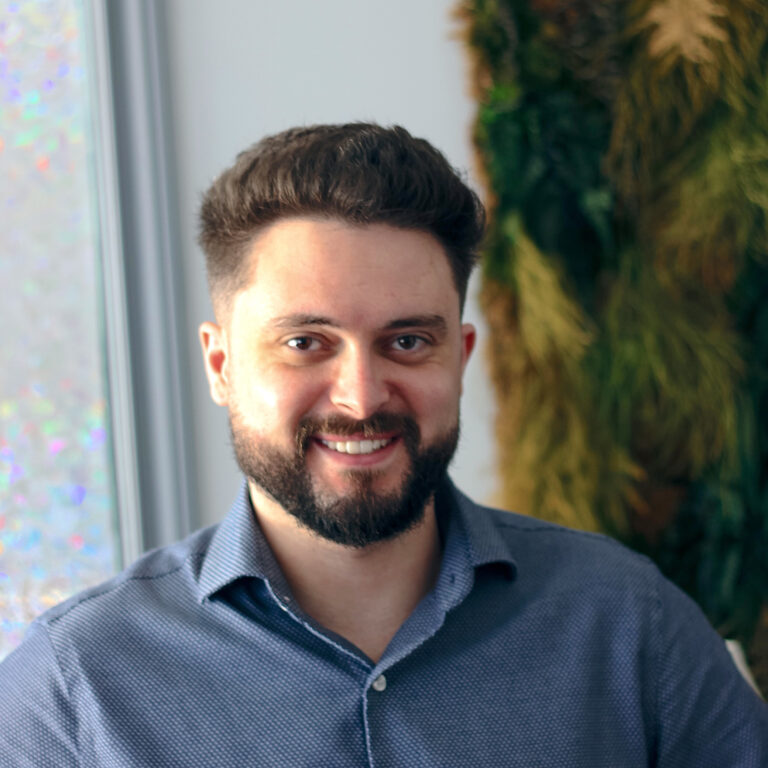
Maor Bernshtein
MSW, RSW, Psychotherapist
Before private practice, I worked in crisis services, hospitals, and addiction treatment, supporting people through some of the most painful, misunderstood, and stigmatized experiences.
Talk it through
Questions about starting therapy?
Your free 20-minute consultation, booked instantly.
Send a message
Counselling specialties
Getting started
Starting therapy is simpler than it sounds.
Free 20-minute consultation
A first conversation about what is going on for you and whether we are a good fit.
Begin at your own pace
Meet in person in Hamilton, online, or by phone. Meaningful change has to be on your terms.
Who I help
Specialized support for what you are carrying.




Fees & insurance
Cost shouldn’t make therapy inaccessible.
Many extended-health plans cover psychotherapy with a Registered Social Worker. Direct billing where available, and a sliding scale depending on availability.
- $17550-minute session
- $26080-minute session
- Free20-minute consultation


