
Counselling & Psychotherapy in Hamilton
A pathway to healing, stability, and well-being.
Personalized, specialized, evidence-based treatment grounded in clinical precision and deeply personal care.
Your next step
Counselling & psychotherapy
In person in Hamilton, online or by phone
- Start withA free 20-minute consultation
- Sessions$175 / 50 min · $260 / 80 min
- Cost helpSliding scale · direct billing where available
- LanguagesEnglish, Hebrew and Russian
Hamilton Somatic Therapy
Somatic therapy in Hamilton is an approach to counselling that recognizes how trauma and emotional pain live in your body, not just your mind. Pathway to Self offers this evidence-based practice to help adults in Hamilton process what they have carried for too long and reconnect with their sense of safety and self.
You might recognize the feeling: your shoulders stay tense no matter how much you rest, your chest tightens when certain topics come up, or you find yourself holding your breath without knowing why. These are not character flaws or weakness. They are the body's intelligent way of protecting you when it has learned that the world feels unsafe. That protection made sense once. Now it may be keeping you smaller than you want to be.
Hamilton Somatic Therapy at Pathway to Self works differently than talk therapy alone. Rather than only discussing what happened, this method helps you notice what your nervous system is doing right now. By bringing awareness to sensation, movement, and breath, you begin to update the stories your body holds. You learn that you are safe in this moment, and your body gradually believes it.
How does somatic therapy help with trauma in Hamilton?
Trauma gets stored in the body as frozen responses, held tension, and survival patterns that no longer serve you. When your nervous system was overwhelmed, it did what it needed to do to keep you alive. But long after the danger has passed, your body may still be running that old program: hypervigilance, avoidance, numbness, or reactivity. trauma counselling and processing at Pathway to Self helps you complete what your nervous system could not finish at the time.
Working with a registered social worker trained in somatic methods means you have someone who understands both the psychology of trauma and the physiology of the nervous system. Maor Bernshtein brings this dual knowledge to each session. Rather than pushing you to talk about painful memories before your body feels ready, somatic work builds stability first. You develop the capacity to tolerate sensation and emotion. You learn grounding techniques that work because they engage your nervous system directly. Then, when you are ready, processing happens not as re-traumatization but as genuine healing.
The work unfolds in stages. People often notice the first shift within weeks: a little more ease in their chest, a slight reduction in how much they startle, moments where they feel present instead of braced for the next threat. As the work deepens, you reclaim your sense of self-worth and fulfillment. You are no longer managing survival; you are building a life that feels worth living.
What can I expect from somatic counselling sessions in Hamilton?
A session typically begins with you and your therapist establishing what feels important to work with today. Unlike some approaches that ask you to dive straight into difficult material, somatic work honors your pace. You are always in control. If at any point the work feels like too much, you have agency to slow down or shift focus.
Your therapist may ask you to notice sensations in your body: where you feel calm, where you feel tight, what happens when you bring attention to a particular memory. Sometimes this involves gentle movement or exploring how you hold yourself in space. Other times it is simply noticing your breath or the contact between your body and the chair. This is not mystical. It is neuroscience. Your body holds information your conscious mind may not have access to, and learning to listen to it is part of healing.
Throughout the process, you receive consistent support from Pathway to Self. Because trauma and anxiety often build walls around you, having a therapist who understands both individual psychotherapy and the somatic dimension means you get the full picture. You are not just working through emotions; you are rebuilding your sense of safety and connection from the ground up.
Here is what a typical therapeutic journey includes:
- Initial assessment to understand your history, current struggles, and goals
- Nervous system stabilization and grounding techniques you can use daily
- Gradual processing of trauma at a pace your body can integrate
- Building resilience and reconnection with your own wisdom and strength
- Integration and ongoing practice so change lasts beyond the session room
Many people find that anxiety and depression counselling becomes more effective when somatic awareness is part of it. Instead of just managing symptoms, you address the root: the dysregulated nervous system underneath. People in Hamilton who have felt stuck in cycles of anxiety or depression often describe a qualitative shift when they add somatic work to their healing practice.
| Approach | Focus | Best for |
|---|---|---|
| Talk therapy alone | Thoughts, beliefs, patterns | Insight and cognitive shifts |
| Somatic therapy | Sensation, nervous system, embodiment | Trauma, anxiety, feeling stuck despite insight |
| Integrated approach (both) | Mind and body working together | Comprehensive healing and lasting change |
Pathway to Self specializes in the integrated approach. Maor combines mental health counselling with somatic methods because this is what actually works for people who have been carrying trauma or wrestling with depression that has become part of their identity. You are not choosing between understanding your mind or healing your body. You get both.
If you live in Hamilton and have been searching for therapy that addresses the whole of you, that honors your pace, and that trusts in your capacity for genuine change, this work exists. Reach out to Pathway to Self to explore whether somatic counselling is right for where you are now. You do not need to figure it all out before you call. You just need to be willing to begin.
Frequently Asked Questions
Is somatic therapy effective for PTSD and trauma in Hamilton?
Yes. Somatic approaches are evidence-based and particularly effective for PTSD because they address how trauma becomes stored in the nervous system and body. Many people find that when talk therapy alone has plateaued, adding somatic work creates the breakthrough they need. Pathway to Self combines trauma counselling and processing with somatic methods to help clients process what their nervous system is still holding.
What is the difference between somatic therapy and regular counselling?
Regular talk therapy focuses on thoughts, beliefs, and patterns. Somatic therapy includes that but also works directly with sensation, breath, and the nervous system. Because trauma is stored in the body, working only with thoughts can leave the nervous system still activated. Somatic work completes the healing by helping your body learn it is safe.
How long does it take to see results from therapy in Hamilton?
Most people notice shifts in the first 4-8 weeks: reduced anxiety, more ease in their body, or feeling more present. Deeper integration typically unfolds over several months of consistent work. Everyone's timeline is different, and your therapist will help you understand what realistic progress looks like for your specific situation.
Can somatic therapy help with anxiety and depression?
Absolutely. Anxiety and depression are often rooted in a dysregulated nervous system. When you learn to sense and shift what is happening in your body, your mood and anxiety levels often improve naturally. Anxiety counselling and depression counselling become more powerful when they include this somatic awareness.
How do I find a qualified somatic therapist near Hamilton?
Look for a registered social worker or psychotherapist with specific training in somatic or body-based methods. Pathway to Self, led by Maor Bernshtein (MSW), combines this expertise with a trauma-informed approach. When you contact a counselor, ask directly about their somatic training and experience with your specific concerns.
Meet your therapist
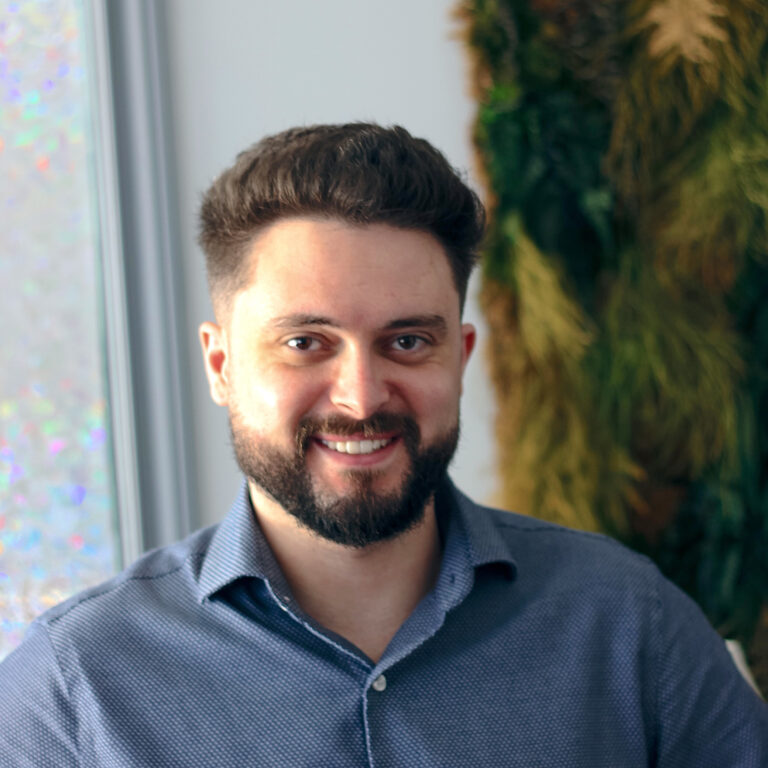
Maor Bernshtein
MSW, RSW, Psychotherapist
Before private practice, I worked in crisis services, hospitals, and addiction treatment, supporting people through some of the most painful, misunderstood, and stigmatized experiences.
Talk it through
Questions about starting therapy?
Your free 20-minute consultation, booked instantly.
Send a message
Counselling specialties
Getting started
Starting therapy is simpler than it sounds.
Free 20-minute consultation
A first conversation about what is going on for you and whether we are a good fit.
Begin at your own pace
Meet in person in Hamilton, online, or by phone. Meaningful change has to be on your terms.
Who I help
Specialized support for what you are carrying.




Fees & insurance
Cost shouldn’t make therapy inaccessible.
Many extended-health plans cover psychotherapy with a Registered Social Worker. Direct billing where available, and a sliding scale depending on availability.
- $17550-minute session
- $26080-minute session
- Free20-minute consultation


